

News & Blog Posts
Sheikh Zayed Free Spirulina Distribution Centre, Kisumu, Kenya: Advancing Nutrition Through Community Action
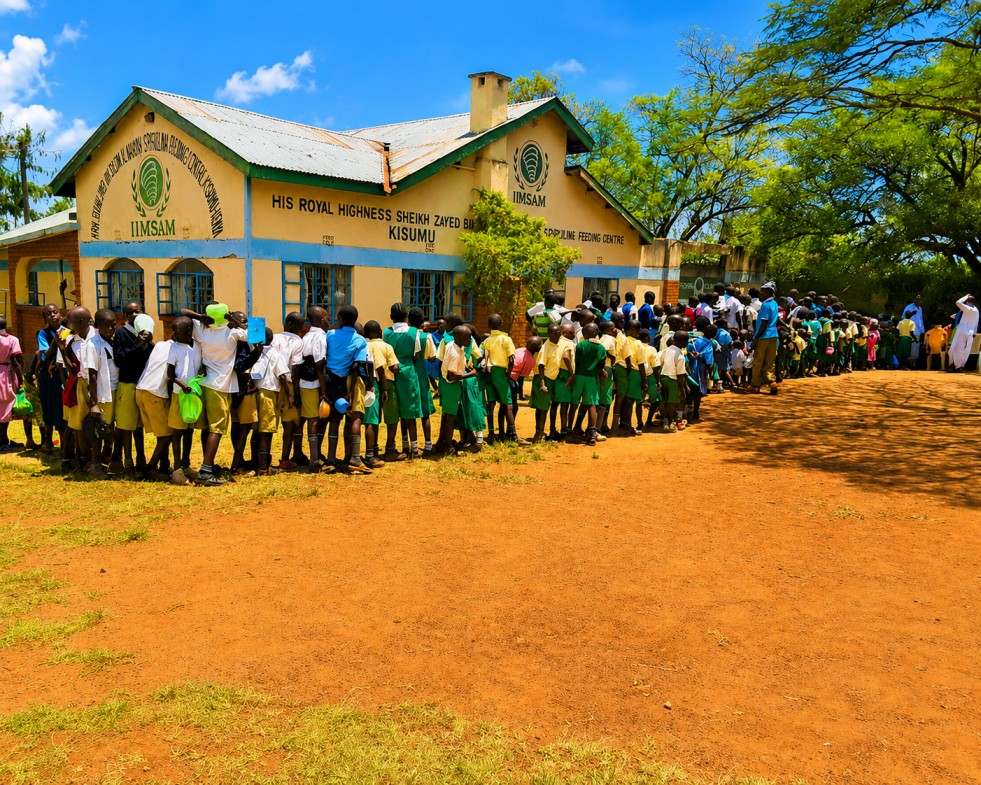
Since 2009, the IIMSAM Sheikh Zayed Free Spirulina Distribution Centre has worked to improve access to nutrient-rich nutritional supplementation, supporting vulnerable communities through sustainable nutrition initiatives and community-based outreach.
Malnutrition remains one of the world's most pressing public health challenges, affecting millions of children and vulnerable populations worldwide. According to the World Health Organization (WHO), malnutrition includes undernutrition, micronutrient deficiencies, overweight, and diet-related non-communicable diseases, highlighting the need for comprehensive nutrition strategies.
Addressing these challenges requires sustainable, evidence-based nutrition interventions that strengthen food security while improving access to nutrient-rich diets for vulnerable populations.
Recognizing this need, the Intergovernmental Institution for the Use of Micro-algae Spirulina Against Malnutrition (IIMSAM) established the Sheikh Zayed Free Spirulina Distribution Centre in Kisumu, Kenya, in April 2009. Since its inception, the centre has served as one of IIMSAM's flagship humanitarian initiatives, providing free Spirulina supplementation, community feeding programmes, and nutrition outreach to vulnerable populations.
The programme supports children, older persons, people with disabilities, and families experiencing nutritional insecurity. Through consistent community engagement and daily nutritional support, the centre demonstrates how targeted interventions can contribute to healthier communities and strengthen local resilience.
Why Spirulina?
Spirulina has gained international recognition as a nutrient-rich microalga. The Food and Agriculture Organization (FAO) identifies Spirulina as a promising food resource due to its high protein content, essential amino acids, vitamins, minerals, and sustainable cultivation potential.
National Center for Biotechnology Information (NCBI) indicates that dried Spirulina contains approximately 55–70% protein by dry weight, making it one of the richest natural protein sources available.
Research further suggests that Spirulina supplementation may support protein intake, improve iron status in populations vulnerable to iron deficiency, contribute to normal immune function, and assist broader nutrition programmes aimed at improving child growth and nutritional recovery. However, it is important to recognize that Spirulina complements—not replaces—a diversified diet, appropriate healthcare, sanitation, and other nutrition interventions.
Sustained Community Impact
For more than fifteen years, the Sheikh Zayed Free Spirulina Distribution Centre has remained committed to delivering sustained nutritional support within the Kisumu community. According to programme statistics published by the IIMSAM Kenya Secretariat, the centre has distributed 956,197 Spirulina doses, recorded 949,000+ Grand Visits, and continues to serve more than 600 recipients daily through its feeding and outreach activities.
These achievements represent more than operational milestones. They reflect years of consistent engagement with communities facing nutritional challenges and demonstrate the value of locally accessible nutrition programmes that prioritise continuity, inclusion, and community participation.
By supporting vulnerable groups—including children, older persons, people living with disabilities, and economically disadvantaged families—the programme contributes to improving nutritional well-being while promoting dignity and social inclusion.
Building Local Capacity: From Training to Community Leadership
The impact of the Sheikh Zayed Free Spirulina Distribution Centre extends beyond direct nutritional support. By sharing knowledge and practical skills in Spirulina cultivation, distribution, and community nutrition, the centre also helps strengthen local capacity for addressing malnutrition.
One notable example is Mr. Dickson Okoth Agogo, a civil servant with Kenya's Ministry of Agriculture, Department of Extension Services. After receiving training at the IIMSAM Sheikh Zayed Centre in 2015, he established his own Spirulina programme in Taita Taveta County, approximately 800 kilometres from Kisumu, with the aim of improving access to nutritional support for communities facing food insecurity, as documented in the IIMSAM Community Circular #001475 (23/24 February 2018).
Inspired by the knowledge and practical experience gained through IIMSAM's training programme, Mr. Agogo introduced Spirulina cultivation, distribution, and community
nutrition awareness activities within his county. His programme produces an average of 5 kilograms of wet Spirulina per day, equivalent to approximately 500 daily doses, supporting around 200 beneficiaries—including approximately 65 adults and 135 children each day.
These figures relate specifically to Mr. Agogo's independently managed community programme in Taita Taveta County and are separate from the daily outreach activities of the IIMSAM Sheikh Zayed Free Spirulina Distribution Centre in Kisumu.
The initiative has generated strong community demand, highlighting both the growing recognition of Spirulina as a complementary nutritional resource and the importance of expanding locally led nutrition programmes. The Community Circular further notes that additional resources could significantly increase production and distribution, creating opportunities to extend similar initiatives to other regions of Kenya.
This example illustrates how knowledge transfer can multiply impact. By equipping local professionals with practical skills, IIMSAM helps create opportunities for communities to develop sustainable nutrition solutions that continue beyond a single programme or location.
Nutrition Beyond Food
The significance of nutrition extends well beyond dietary intake. Adequate nutrition supports children's physical and cognitive development, improves learning capacity, strengthens immune function, and contributes to healthier lives across the lifespan. Better nutrition is also associated with improved workforce productivity, stronger educational outcomes, and long-term economic development, reinforcing its importance as a cornerstone of sustainable development.
Community-based nutrition initiatives such as the Kisumu centre illustrate how practical, locally delivered programmes can complement broader public health efforts by improving access to nutrient-rich supplementation while fostering community resilience.
Since 2009, the IIMSAM Sheikh Zayed Free Spirulina Distribution Centre has worked to improve access to nutrient-rich nutritional supplementation, supporting vulnerable communities through sustainable nutrition initiatives and community-based outreach.
Malnutrition remains one of the world's most pressing public health challenges, affecting millions of children and vulnerable populations worldwide. According to the World Health Organization (WHO), malnutrition includes undernutrition, micronutrient deficiencies, overweight, and diet-related non-communicable diseases, highlighting the need for comprehensive nutrition strategies.
Addressing these challenges requires sustainable, evidence-based nutrition interventions that strengthen food security while improving access to nutrient-rich diets for vulnerable populations.
Recognizing this need, the Intergovernmental Institution for the Use of Micro-algae Spirulina Against Malnutrition (IIMSAM) established the Sheikh Zayed Free Spirulina Distribution Centre in Kisumu, Kenya, in April 2009. Since its inception, the centre has served as one of IIMSAM's flagship humanitarian initiatives, providing free Spirulina supplementation, community feeding programmes, and nutrition outreach to vulnerable populations.
The programme supports children, older persons, people with disabilities, and families experiencing nutritional insecurity. Through consistent community engagement and daily nutritional support, the centre demonstrates how targeted interventions can contribute to healthier communities and strengthen local resilience.
Why Spirulina?
Spirulina has gained international recognition as a nutrient-rich microalga. The Food and Agriculture Organization (FAO) identifies Spirulina as a promising food resource due to its high protein content, essential amino acids, vitamins, minerals, and sustainable cultivation potential.
National Center for Biotechnology Information (NCBI) indicates that dried Spirulina contains approximately 55–70% protein by dry weight, making it one of the richest natural protein sources available.
Research further suggests that Spirulina supplementation may support protein intake, improve iron status in populations vulnerable to iron deficiency, contribute to normal immune function, and assist broader nutrition programmes aimed at improving child growth and nutritional recovery. However, it is important to recognize that Spirulina complements—not replaces—a diversified diet, appropriate healthcare, sanitation, and other nutrition interventions.
Sustained Community Impact
For more than fifteen years, the Sheikh Zayed Free Spirulina Distribution Centre has remained committed to delivering sustained nutritional support within the Kisumu community. According to programme statistics published by the IIMSAM Kenya Secretariat, the centre has distributed 956,197 Spirulina doses, recorded 949,000+ Grand Visits, and continues to serve more than 600 recipients daily through its feeding and outreach activities.
These achievements represent more than operational milestones. They reflect years of consistent engagement with communities facing nutritional challenges and demonstrate the value of locally accessible nutrition programmes that prioritise continuity, inclusion, and community participation.
By supporting vulnerable groups—including children, older persons, people living with disabilities, and economically disadvantaged families—the programme contributes to improving nutritional well-being while promoting dignity and social inclusion.
Building Local Capacity: From Training to Community Leadership
The impact of the Sheikh Zayed Free Spirulina Distribution Centre extends beyond direct nutritional support. By sharing knowledge and practical skills in Spirulina cultivation, distribution, and community nutrition, the centre also helps strengthen local capacity for addressing malnutrition.
One notable example is Mr. Dickson Okoth Agogo, a civil servant with Kenya's Ministry of Agriculture, Department of Extension Services. After receiving training at the IIMSAM Sheikh Zayed Centre in 2015, he established his own Spirulina programme in Taita Taveta County, approximately 800 kilometres from Kisumu, with the aim of improving access to nutritional support for communities facing food insecurity, as documented in the IIMSAM Community Circular #001475 (23/24 February 2018).
Inspired by the knowledge and practical experience gained through IIMSAM's training programme, Mr. Agogo introduced Spirulina cultivation, distribution, and community
nutrition awareness activities within his county. His programme produces an average of 5 kilograms of wet Spirulina per day, equivalent to approximately 500 daily doses, supporting around 200 beneficiaries—including approximately 65 adults and 135 children each day.
These figures relate specifically to Mr. Agogo's independently managed community programme in Taita Taveta County and are separate from the daily outreach activities of the IIMSAM Sheikh Zayed Free Spirulina Distribution Centre in Kisumu.
The initiative has generated strong community demand, highlighting both the growing recognition of Spirulina as a complementary nutritional resource and the importance of expanding locally led nutrition programmes. The Community Circular further notes that additional resources could significantly increase production and distribution, creating opportunities to extend similar initiatives to other regions of Kenya.
This example illustrates how knowledge transfer can multiply impact. By equipping local professionals with practical skills, IIMSAM helps create opportunities for communities to develop sustainable nutrition solutions that continue beyond a single programme or location.
Nutrition Beyond Food
The significance of nutrition extends well beyond dietary intake. Adequate nutrition supports children's physical and cognitive development, improves learning capacity, strengthens immune function, and contributes to healthier lives across the lifespan. Better nutrition is also associated with improved workforce productivity, stronger educational outcomes, and long-term economic development, reinforcing its importance as a cornerstone of sustainable development.
Community-based nutrition initiatives such as the Kisumu centre illustrate how practical, locally delivered programmes can complement broader public health efforts by improving access to nutrient-rich supplementation while fostering community resilience.
Looking Forward
By combining scientific innovation, community engagement, and sustainable nutrition solutions, the Sheikh Zayed Free Spirulina Distribution Centre continues to demonstrate how locally driven initiatives can contribute to healthier, more resilient communities.
The work of the Sheikh Zayed Free Spirulina Distribution Centre demonstrates that combating malnutrition requires sustained commitment, scientific innovation, and community partnership. While no single intervention can eliminate malnutrition, programmes that expand access to nutrient-rich foods, strengthen nutrition awareness, and support vulnerable populations continue to play an important role in improving health outcomes and advancing food security.
As IIMSAM continues its mission to combat malnutrition through Spirulina-based initiatives, the Kisumu centre stands as an enduring example of how nutrition, when delivered with consistency and compassion, can help create healthier individuals, stronger communities, and more resilient futures.
Call to Action
Addressing malnutrition requires collaboration, innovation, and sustained community action. The work of the Sheikh Zayed Free Spirulina Distribution Centre demonstrates how science-based nutrition initiatives, local partnerships, and knowledge sharing can contribute to healthier and more resilient communities.
Whether you are a policymaker, development partner, researcher, healthcare professional, or community advocate, every effort to advance nutrition awareness and sustainable food systems helps create lasting impact. By supporting evidence-based nutrition initiatives and sharing knowledge, we can work together towards a future where every individual has the opportunity to live a healthier and more dignified life.
Learn more about IIMSAM's global initiatives and ongoing efforts to combat malnutrition through sustainable nutrition solutions by visiting the IIMSAM Official Website.
Search Here

Blog Categories